CoverTex

CoverTex

Textile possibilities, stretched further.

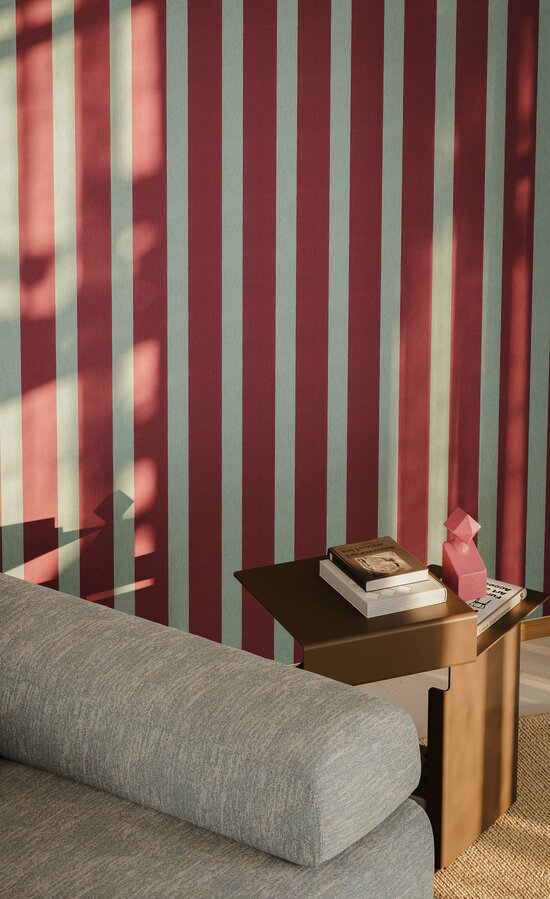
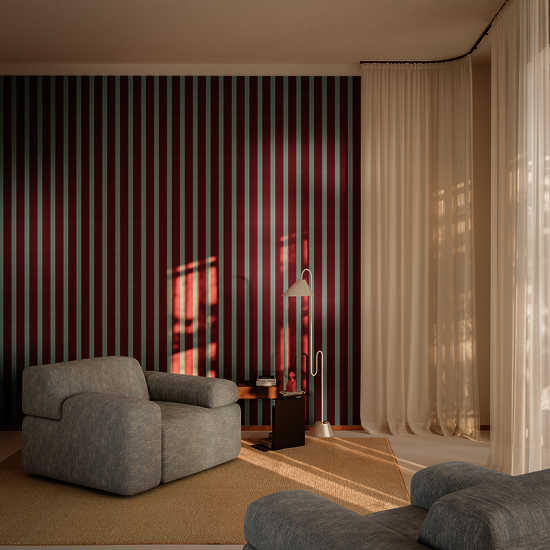
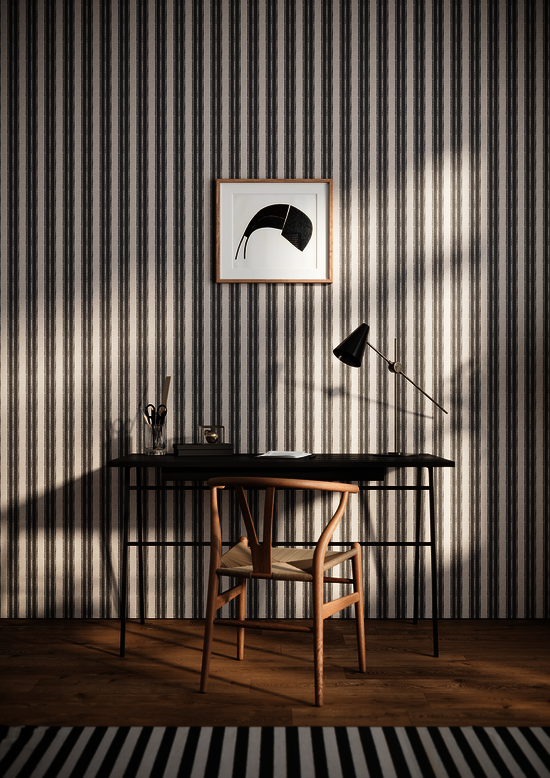
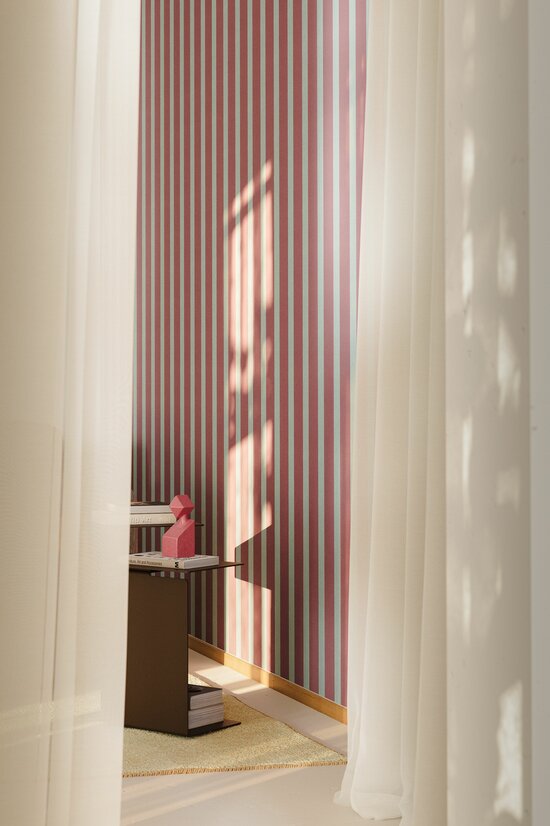
With CoverTex, fabric becomes a design element for any wall. The innovative textile wall covering system opens up new possibilities for interior design, from a full-surface alternative to wallpaper to carefully placed accent walls.

Thanks to flexible rails, CoverTex can be adapted to a wide range of spatial conditions, making it suitable for both new builds and renovations. At the same time, the textile wall covering improves room acoustics, provides thermal insulation and conceals minor imperfections.

CoverTex combines textile aesthetics with functional benefits, creating new design possibilities without the need for extensive structural work.
Highlights at a Glance

  • Sound absorbing 

  • Heat insulating

  • Quick and clean installation

  • Doesn’t require any construction work

  • Flexible rails allow free forms and curves

  • Fabric designs can be swapped as often as you like

  • Ideal for concealing small flaws

  • Countless possible uses, e.g. back wall covering on wardrobes and shelving units, room dividers, headboards, and many more


Insulates heat, saves energy

The molleton layer located between the covering and the wall provides additional insulation and prevents heat from escaping through the wall. This increases the surface temperature of the wall and ensures a pleasant room temperature with energy-saving potential.
 

Reduces Noise, Enhances Acoustics

CoverTex combines textile design with acoustic comfort. The wall covering system helps reduce reverberation and soften unwanted noise, including footfall on hard flooring surfaces, creating a more pleasant acoustic environment in both residential and commercial interiors.


Adapts to Any Shape

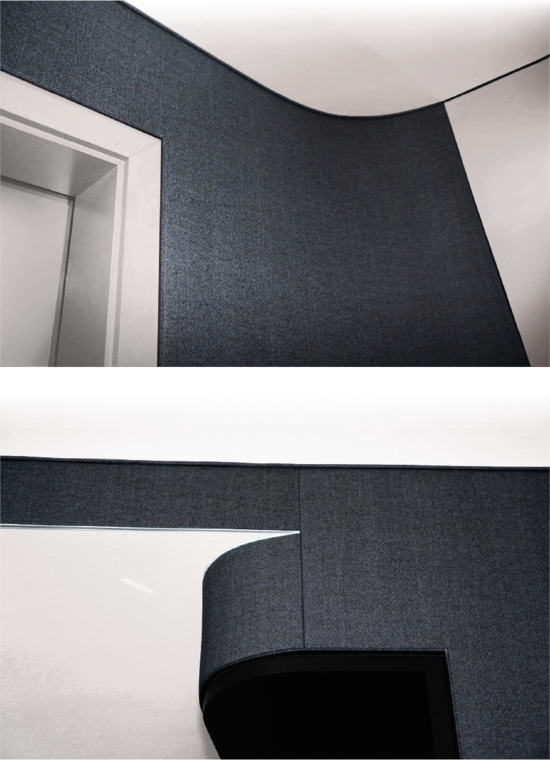
Thanks to its flexible construction, Covertex can be installed smoothly around curves, radii and corners, making it easy to cover even the most complex layouts with a clean, seamless finish.

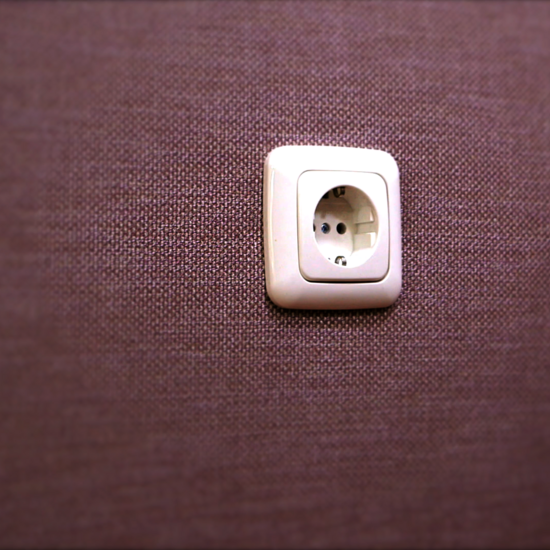
The system also helps conceal minor wall imperfections that would often remain visible beneath conventional wall coverings. Electrical outlets, switches, shelving and other built in elements can be neatly integrated and precisely cut out.


Pro Tip

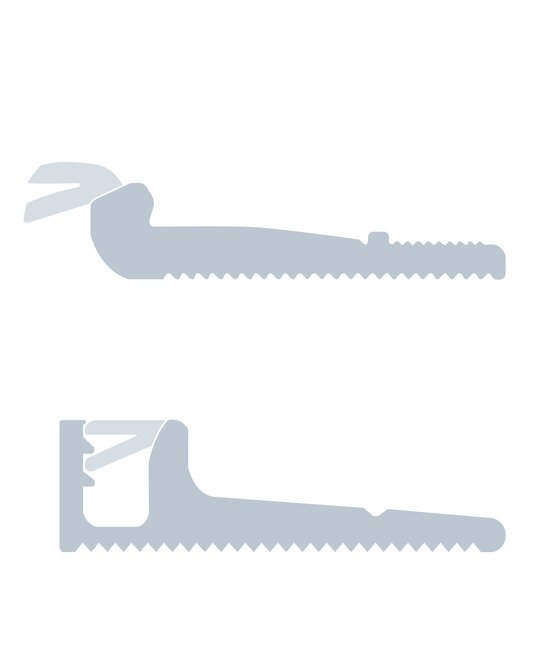
Covertex offers the right rail for every installation. The Covertex Rail without Edge (Art. No. 47-A2000485) is ideal for full wall fabric installations with straight transitions, for example at ceilings or door frames.

For uneven transitions or printed fabric wall coverings, the Covertex Rail with Edge (Art. No. 47-A2000484) provides a precise and clean finish, even for complex designs and wall layouts.


A wide range of our fabrics is perfectly suited for use with the CoverTex wall covering system, opening up new possibilities for textile interior design. Use our fabrics on walls to explore another dimension of textile design.

Instructions

Step by Step

Preparation

The wall to which the fabric wall covering will be applied must be clean, dry, level and in good condition. Any existing cracks or holes should be filled to prevent localised marks from showing through the fabric after installation. The wall covering should not be exposed to permanent moisture, as this may cause distortion.

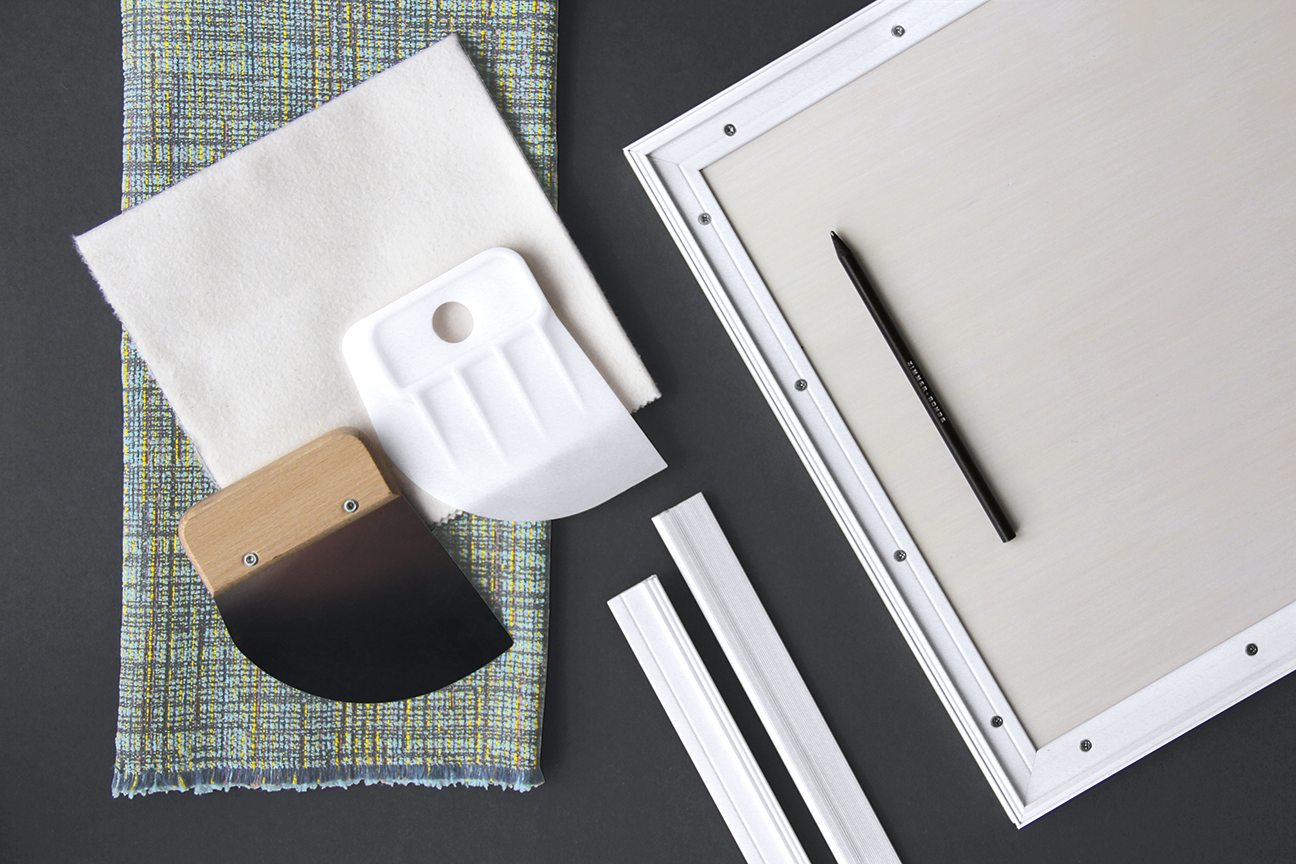
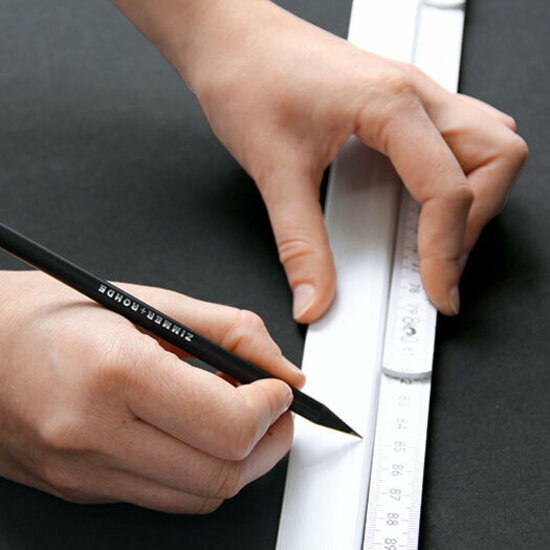
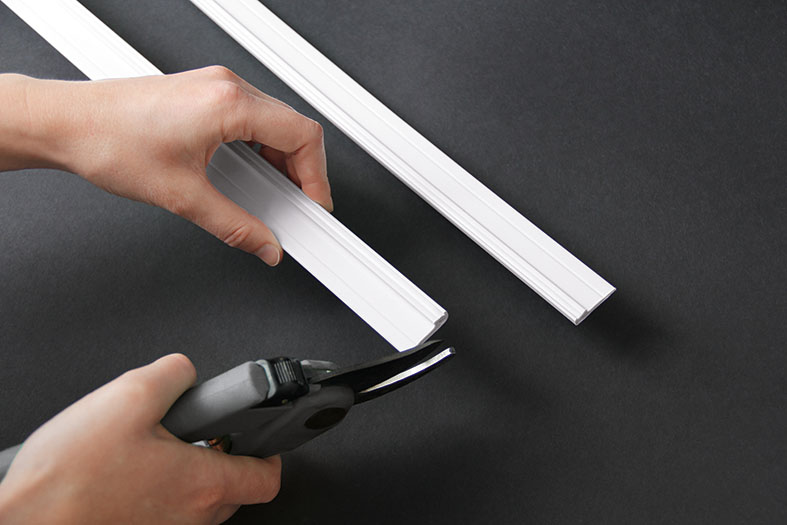
The Covertex rails should be cut to the required length using plastic shears, end cutting pliers or a mitre saw. The rails can be fixed to the wall using nails, screws or staples. As a general guideline, a wall or panel fixing depth of 15–20 mm should be ensured.


Installing the Rails

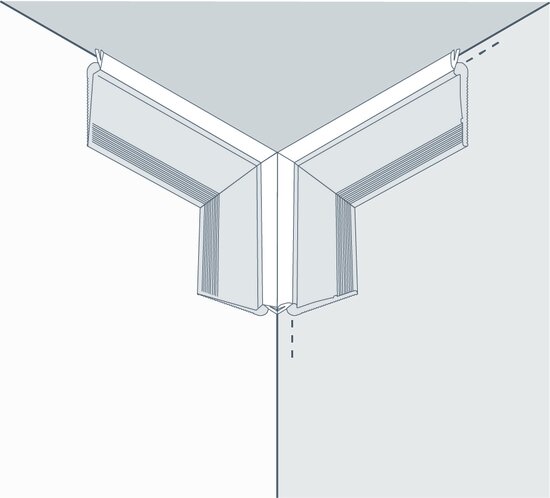
For a clean, seamless finish, the lip of the Covertex rail should lightly touch the ceiling or adjacent wall. With particularly thick fabrics, a small gap may be required. When continuing the installation around corners, the vertical rails should be positioned so that their lips lightly meet, ensuring a smooth transition between walls.

Offcuts of the rail can be used to neatly frame switches and electrical outlets for a consistent finish. After cutting openings in the fabric, for example for sockets, the cut edges should be sealed with spray adhesive or fabric glue to help prevent fraying and ensure a long lasting result.


If shelves, lighting or other wall mounted elements are to be installed later, we recommend leaving out the molton in these areas and replacing it with a 6–7 mm wooden panel. This provides a stable mounting surface and prevents the fabric from being pressed against the wall, helping to avoid unwanted creasing and ensuring a clean, long lasting finish.

Installing the Molton

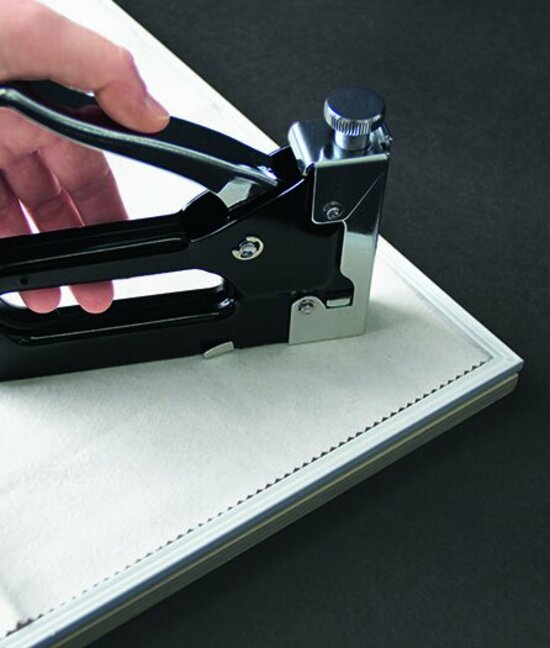
Once the Covertex rails have been fully installed, the molton can be fitted to enhance both room acoustics and thermal insulation. Cut the molton approximately 1–2 cm larger than required and staple it securely around the edges. Depending on the size of the installation, it should also be stapled at intervals across the surface to prevent bulging.

To ensure the best long term result, do not use adhesive, as temperature fluctuations may cause it to deteriorate and create visible marks. The molton should finish flush with the inner edge of the rail to create a smooth and even surface. After stapling, trim the excess material with a sharp utility knife, cutting carefully along the inside edge of the rail for a clean, precise finish.

Installing the Fabric

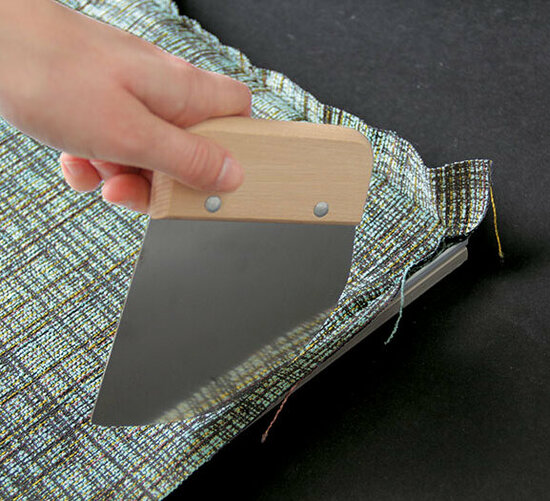
The fabric can now be stretched into the Covertex rail. Cut the fabric to the maximum height and width of the wall, allowing an additional 5 cm on each side. To pre tension the fabric, use a metal spatula to press it into the lip of the rail at intervals of approximately 30–50 cm. Working step by step, the fabric is gradually positioned and secured in place before the final tensioning process.


Always use a gentle rocking motion when pressing the fabric into the rail. Pulling the spatula through the rail may damage the fabric. For this initial step, we recommend using the metal spatula, as its thin blade allows the fabric to be pressed fully into the base of the rail.

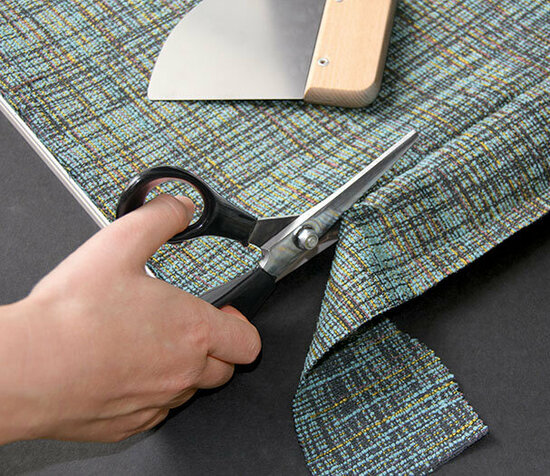
Once the fabric has been securely fixed in place, the excess material can be trimmed to approximately 0.5–1 cm, depending on the fabric thickness. Before trimming, ensure that the fabric is firmly held within the rubber lip of the rail to achieve a clean, secure and long lasting finish.


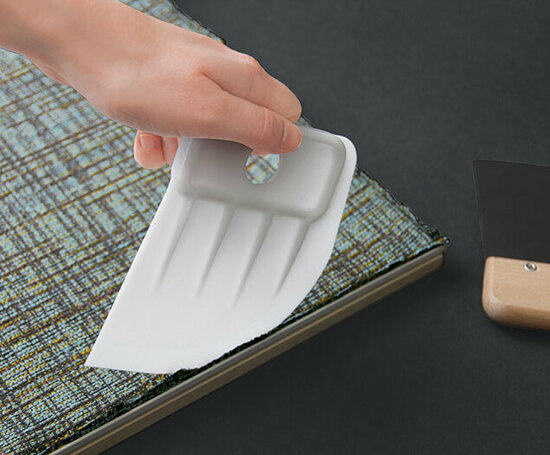
To complete the installation, press the remaining edge of the fabric into the rail using a plastic spatula with a gentle rocking motion. Filling the space between the rail lips and the wall is essential for ensuring the long term stability, shape and tension of the fabric wall covering.

If the fabric is not yet fully taut or slight creases remain, simply repeat the process. By carefully working the plastic spatula along the rail, any tension differences can be evened out, creating a smooth and flawless finish.


COVERTEX FABRICS

From understated, insulating plain fabrics to expressive decorative textiles for artistic wall designs: discover the right fabric for your CoverTex project.


TO THE COVERTEX FABRICS
0 Favorites
Favorites
Products
Products